
Waste-to-Energy
Turning Society's Waste into Clean Power
Waste-to-Energy (WtE) technology combusts municipal and industrial solid waste in highly controlled conditions to recover electricity and heat — simultaneously solving a waste management challenge and generating reliable baseload power. RENERVISION delivers complete WtE plant design, permitting and operation services.
The Technology
Behind the Power
A step-by-step look at how the technology converts a natural resource into clean electricity.
Waste Reception & Pre-treatment
Incoming municipal solid waste (MSW) is delivered by collection vehicles to a tipping hall under negative air pressure, preventing odours escaping. A crane homogenises the waste pit content before feeding to the combustion grate, ensuring stable calorific value and steady combustion.
Controlled Combustion
Waste burns on a moving grate at 850–1,000°C. EU Industrial Emissions Directive requires at least 2 seconds residence time above 850°C to destroy organic pollutants. Auxiliary burners maintain temperature during low-calorific-value periods. Bottom ash is extracted, cooled and sorted for metal recovery and aggregate use.
Energy Recovery
Hot combustion gases (850–1,000°C) pass through a boiler, generating high-pressure steam. The steam drives a turbine-generator producing electricity. In combined heat and power (CHP) mode, remaining low-pressure steam is extracted for district heating networks, achieving total efficiencies of 70–85%.
Flue Gas Cleaning
A multi-stage cleaning system removes pollutants: electrostatic precipitators capture particulates; dry or wet scrubbers remove acid gases (HCl, SO₂); activated carbon injection adsorbs heavy metals and dioxins; SCR catalysts reduce NOx to near-zero. Modern WtE flue gas is often cleaner than urban traffic air.
Why Choose
Waste-to-Energy
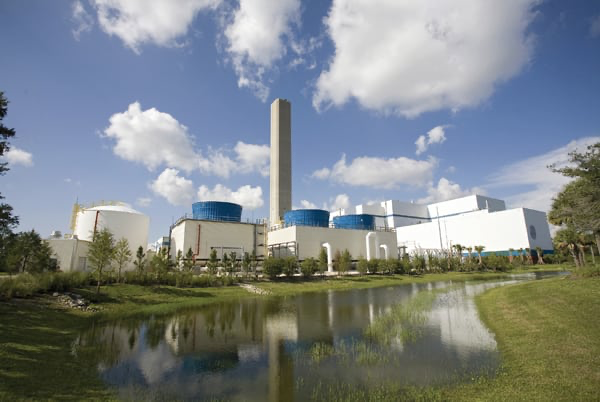
Dual Revenue Model
WtE plants earn gate fees from waste authorities for accepting waste AND sell electricity and heat. This dual revenue stream makes the economics robust and independent of energy price volatility.
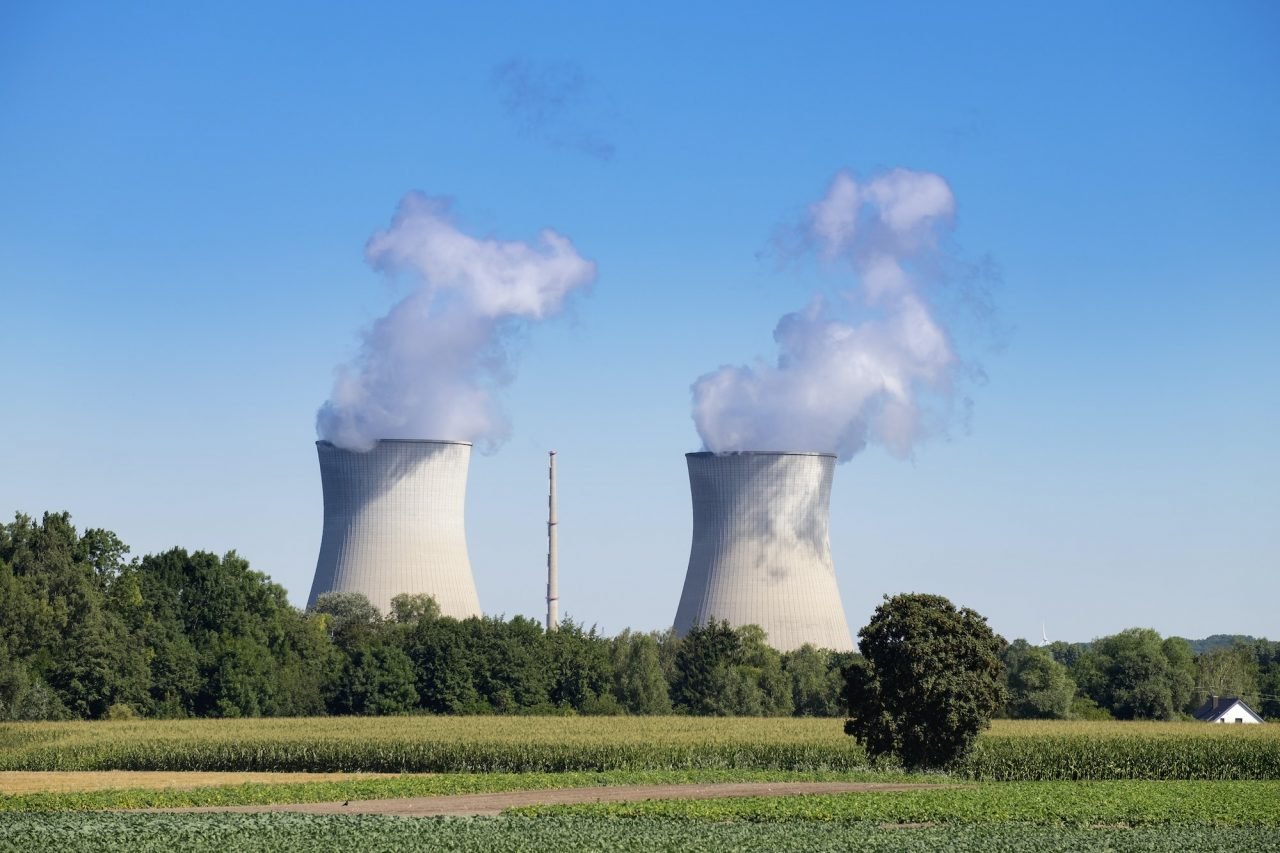
Baseload Reliability
WtE plants operate at 80–85% annual capacity factors, providing consistent, schedulable power that complements variable renewables on the grid.
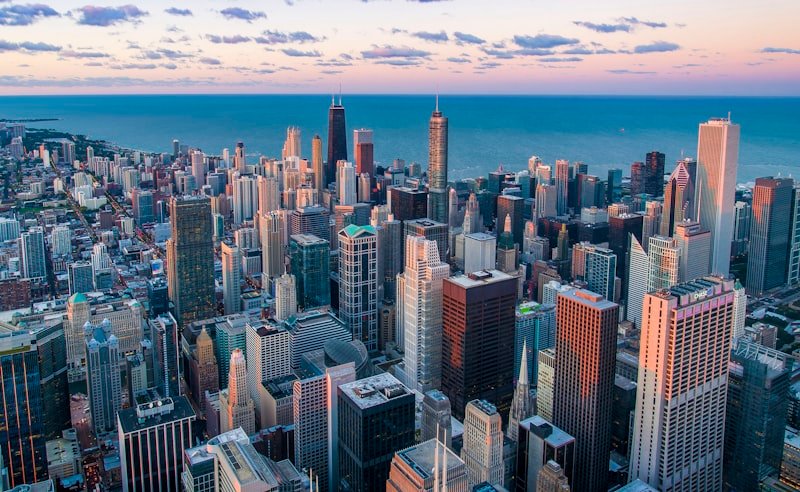
Circular Economy Champion
WtE recovers energy, metals and aggregate from waste that would otherwise be landfilled. Bottom ash metal sorting recovers 15–20 kg of metals per tonne of MSW processed.

Landfill Diversion
Landfill produces methane — a greenhouse gas 25× more potent than CO₂. Each tonne diverted from landfill to WtE prevents landfill gas emissions and permanent soil contamination.

EU-compliant Emissions
Modern WtE plants easily meet the stringent EU Industrial Emissions Directive limits for all regulated pollutants. Continuous Emissions Monitoring Systems (CEMS) provide full transparency.
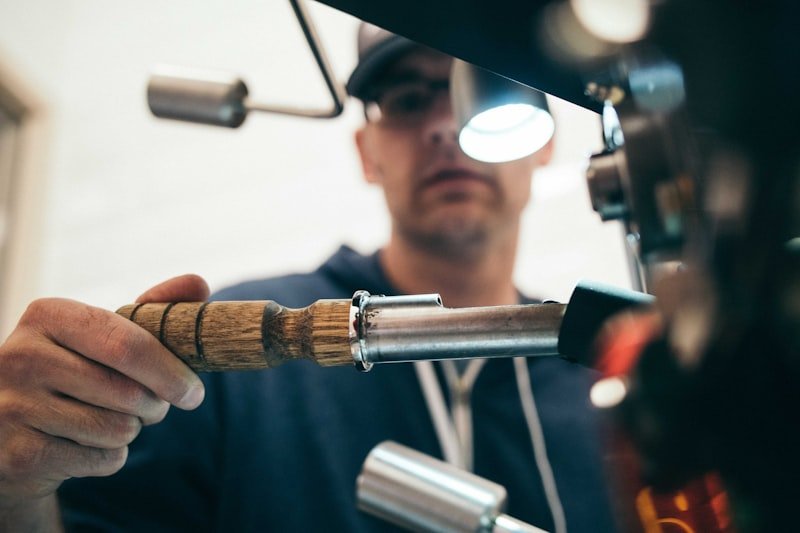
District Heating Integration
In CHP configuration, WtE plants become backbone assets of district heating networks — providing affordable, low-carbon heat to residential and commercial customers year-round.
Waste Hierarchy: CO₂ Impact Comparison
Relative CO₂-equivalent impact per tonne of residual waste treated
Sources: IRENA Renewable Power Generation Costs 2024; IEA World Energy Outlook 2024; JRC European Commission data
Ready to invest in
Waste-to-Energy?
Our team will assess your site, model the financials and guide you through every step — from feasibility to full operation.